
3 min read
What to Look For in an Oversized T-Shirt
Five checks that separate a t-shirt worth keeping from one finished in a season. Collar, shoulder seam, taping, stated weight and shrinkage — usable on any brand, including ours.
Almost everything that separates a t-shirt worth keeping from one that is finished in a season is visible before you buy it, or in the first thirty seconds of holding it. None of it requires expertise. It requires knowing which five things to look at.
This is a checklist you can use anywhere, including on shirts that are not ours.
1. The stated weight, and whether it is stated at all
A brand that has paid for heavier cloth will tell you the GSM, because it is the most expensive decision in the garment. A brand that has not will describe the fabric as premium and move on.
Anything from 180 GSM upward is a serious t-shirt. Below 160 and you are buying something that will thin. If no number appears anywhere on the page, treat that as the answer.
2. The collar
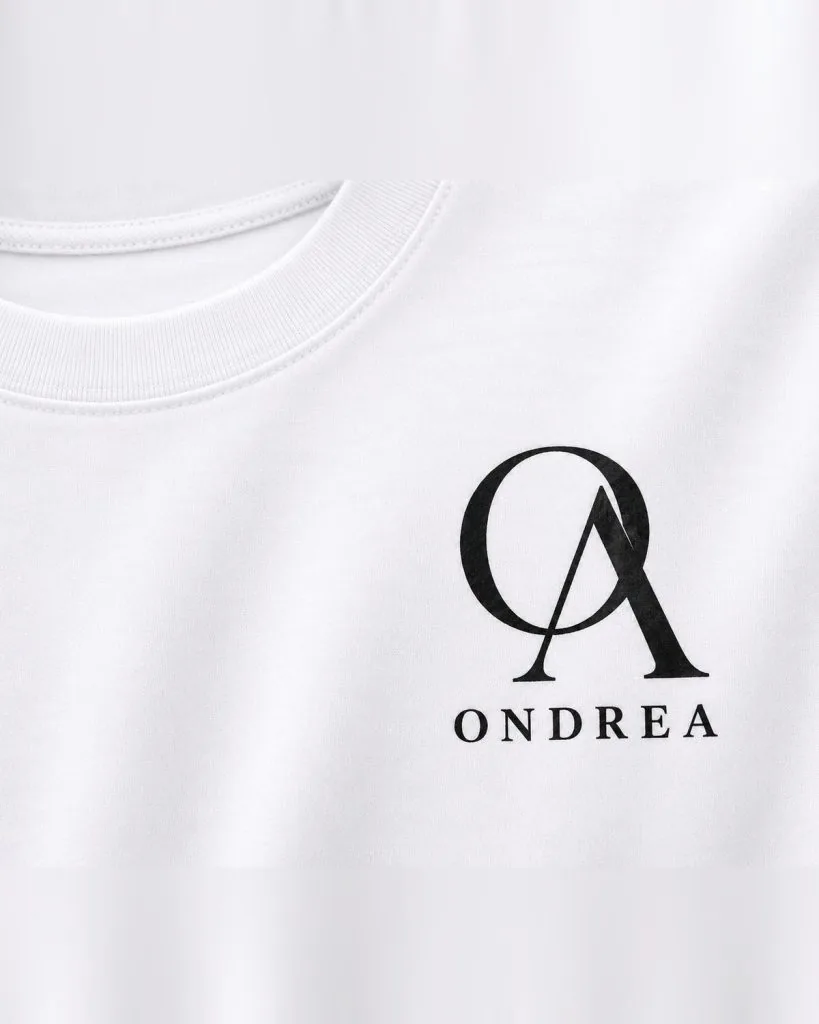
Most t-shirts die at the neck long before the body wears through. The ribbing loses tension, the collar goes wavy, and the shirt is unwearable while the rest of it is fine.
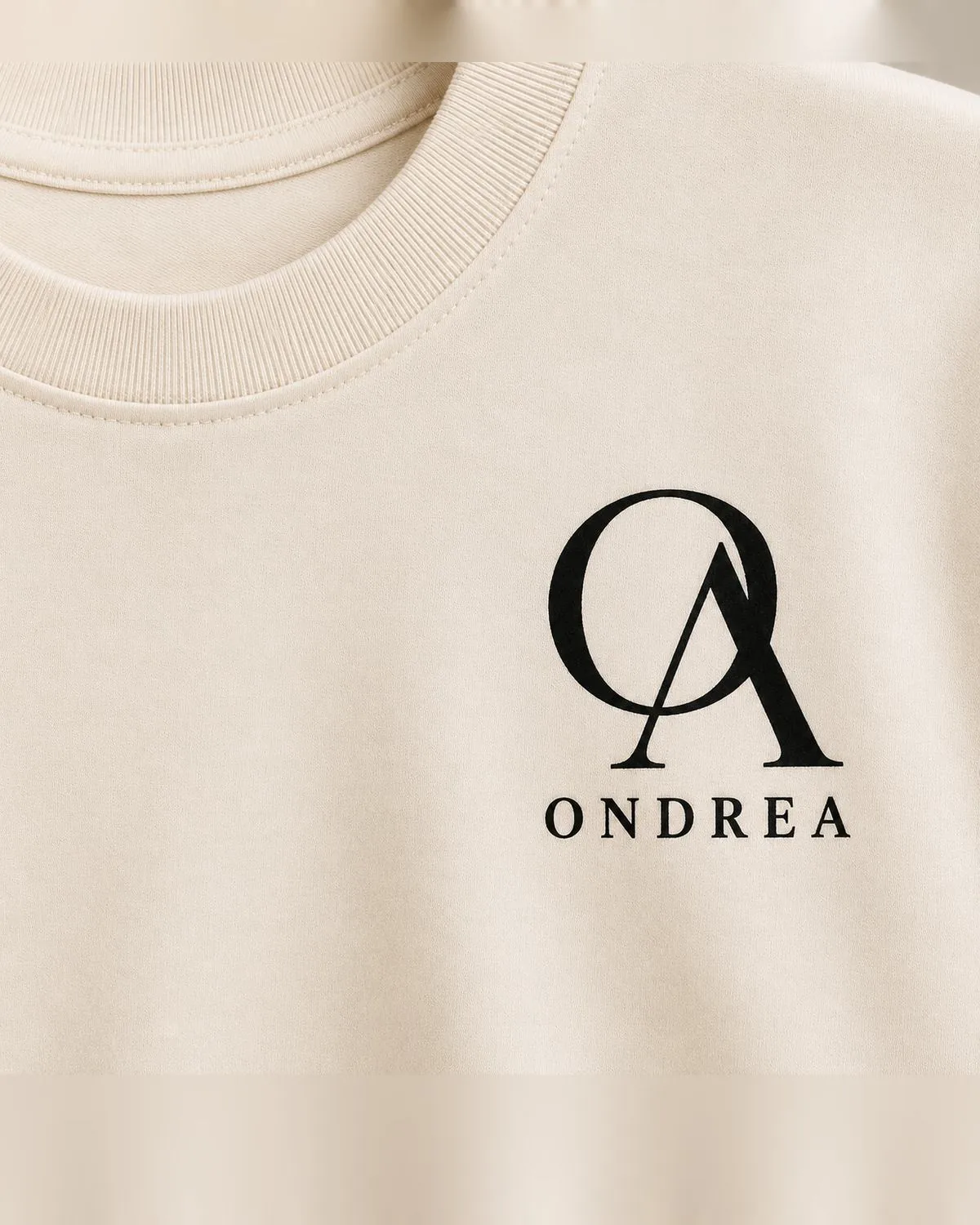
Look at the depth of the rib in the product photography — a heavy garment needs visibly heavier ribbing, and a brand cutting costs will show it here first. If you have the shirt in hand, stretch the collar gently and let go. It should snap back flat, not stay stretched.
3. The shoulder seam, and where it is meant to land
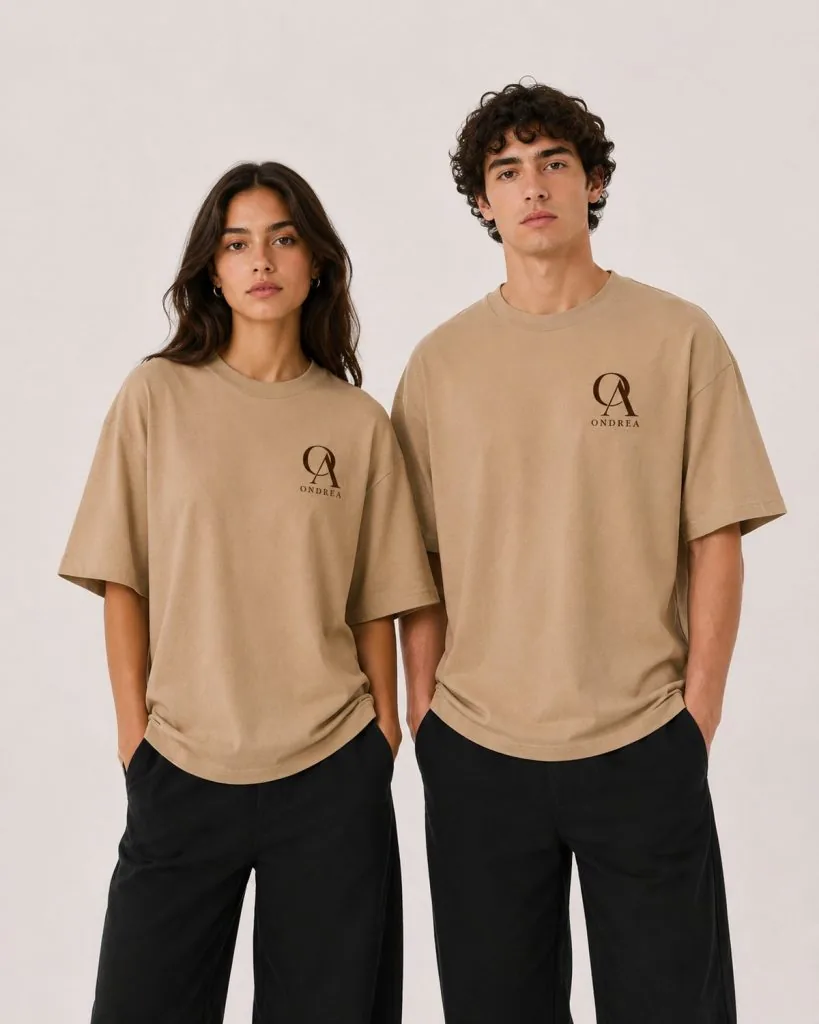
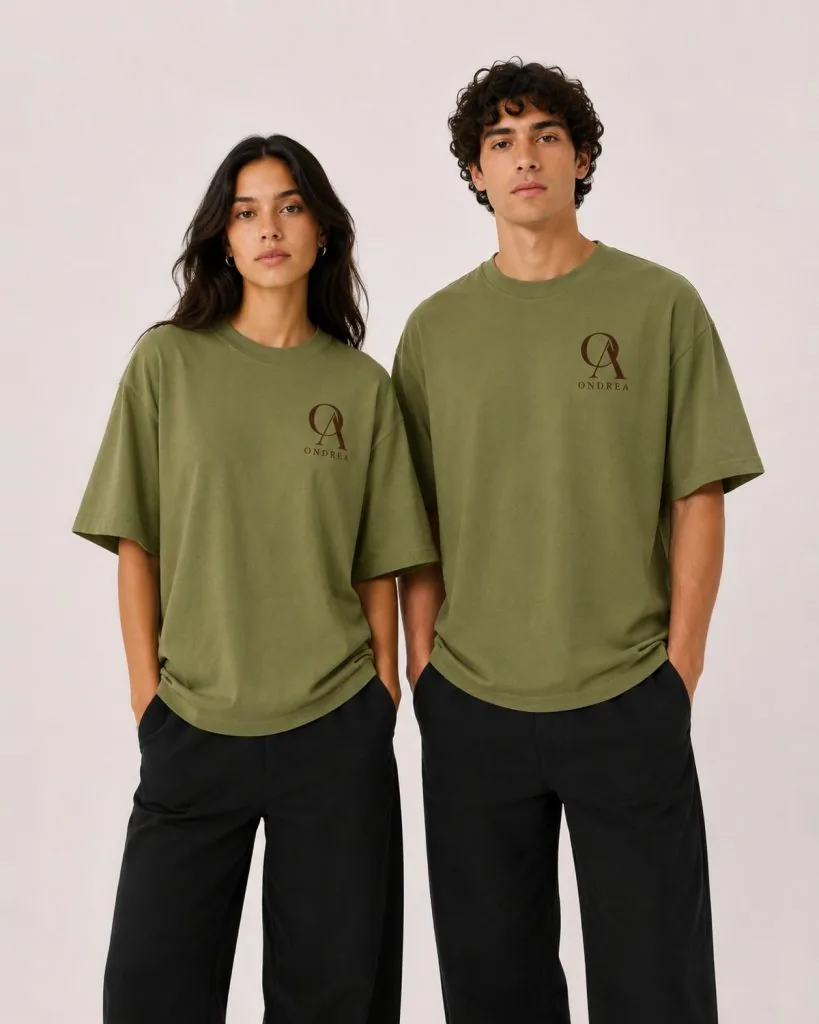
On an oversized tee the seam should sit two to four inches down your upper arm, deliberately. On a regular tee it should sit on the point of your shoulder.
What you are checking is whether it lands somewhere on purpose. A seam that falls halfway between the two usually means a regular pattern graded up rather than an oversized one cut from scratch — and it will not hang the way the photographs suggest.
4. The seams themselves
Turn the shirt inside out. Shoulder seams should be taped — a strip of fabric covering the join, running collar to collar. That tape is what stops the shoulder stretching out over years of being pulled onto a hanger.
Side seams are the other tell. A tubular tee has none, because the body is knitted as a single tube; it is cheaper and it twists in the wash. Side-seamed construction costs more and keeps the shirt square.
5. What the brand says about shrinkage
All cotton shrinks. The question is whether it has already happened.
Garment-dyed and pre-shrunk pieces do most of their shrinking before they reach you, so what you try on is what you keep. A brand that says nothing about this is usually a brand where the first wash is going to be a surprise. Ask, or look for the words on the product page.
Two things that matter less than you would think
Combed versus carded cotton is real but marginal at a normal price. And “100% organic” tells you about how the cotton was grown, not about how the shirt is built — an organic 150 GSM tee will still thin.
The thirty-second version
Check the weight is stated. Stretch the collar. Find the shoulder seam. Look for tape and side seams. Ask about shrinkage.
Five checks, and they will tell you more than any amount of copy about premium quality — which is a phrase that costs a brand nothing to write.
For what the numbers mean, the GSM guide covers the scale. Garment dyeing explains the shrinkage point in more detail, and every piece in the collection states its weight, construction and fit on the page.