

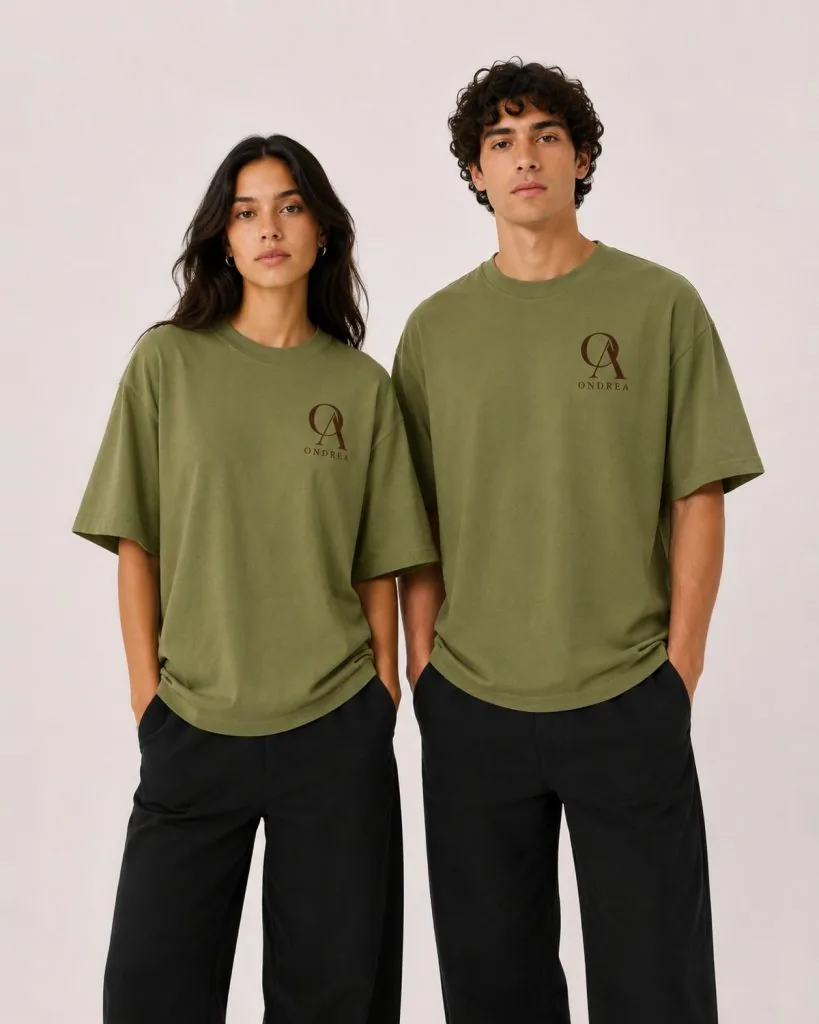
Building a Minimal Wardrobe Around Premium T-Shirts
A minimal wardrobe is not a small one. Why four good t-shirts beat twelve cheap ones, which four to own, and the habit change nobody mentions.
Drop 01 is live — limited sizes. Limited stock.
Journal
Notes on fit, fabric and looking after what you own. Written by the people who make the clothes, not by a content team.
A minimal wardrobe is not a small one. Why four good t-shirts beat twelve cheap ones, which four to own, and the habit change nobody mentions.
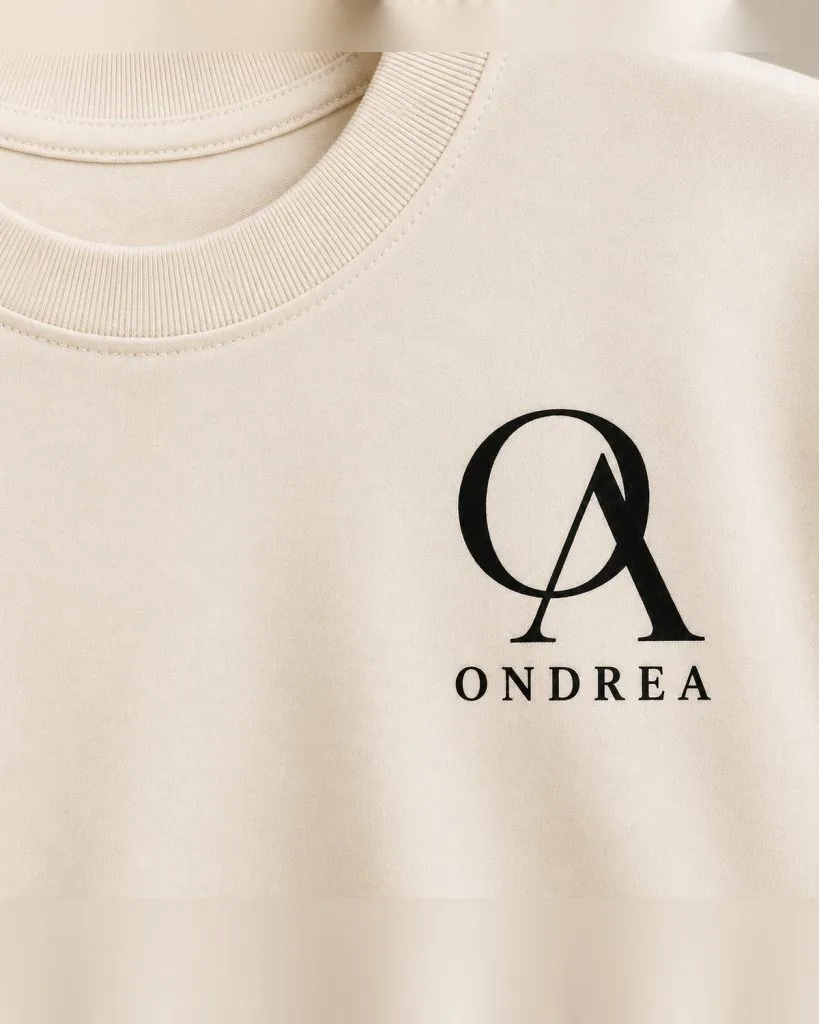
Five checks that separate a t-shirt worth keeping from one finished in a season. Collar, shoulder seam, taping, stated weight and shrinkage — usable on any brand, including ours.
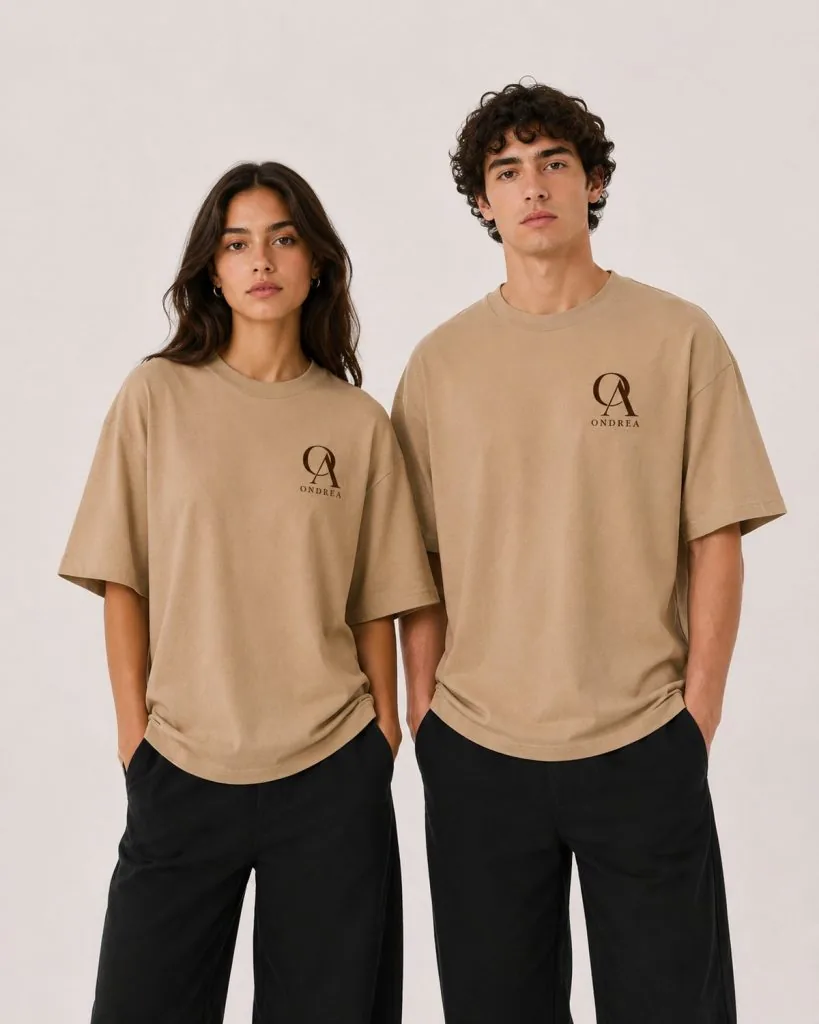
Three words for t-shirt cuts and only one is standardised. What separates them in measurements rather than adjectives, and why sizing up a regular tee is not the same as buying an oversized one.
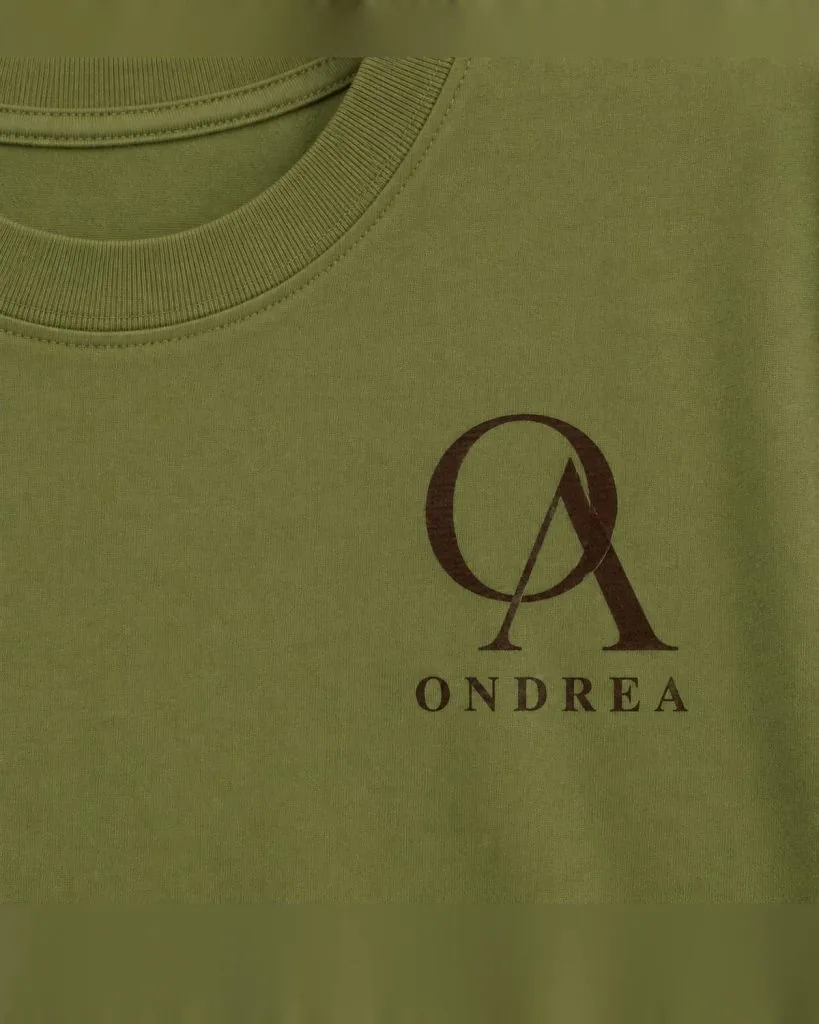
Heavyweight or lightweight, answered honestly for Indian conditions. Why weight matters less than fibre, structure and cut — and the months when a 240 GSM tee genuinely is too much.
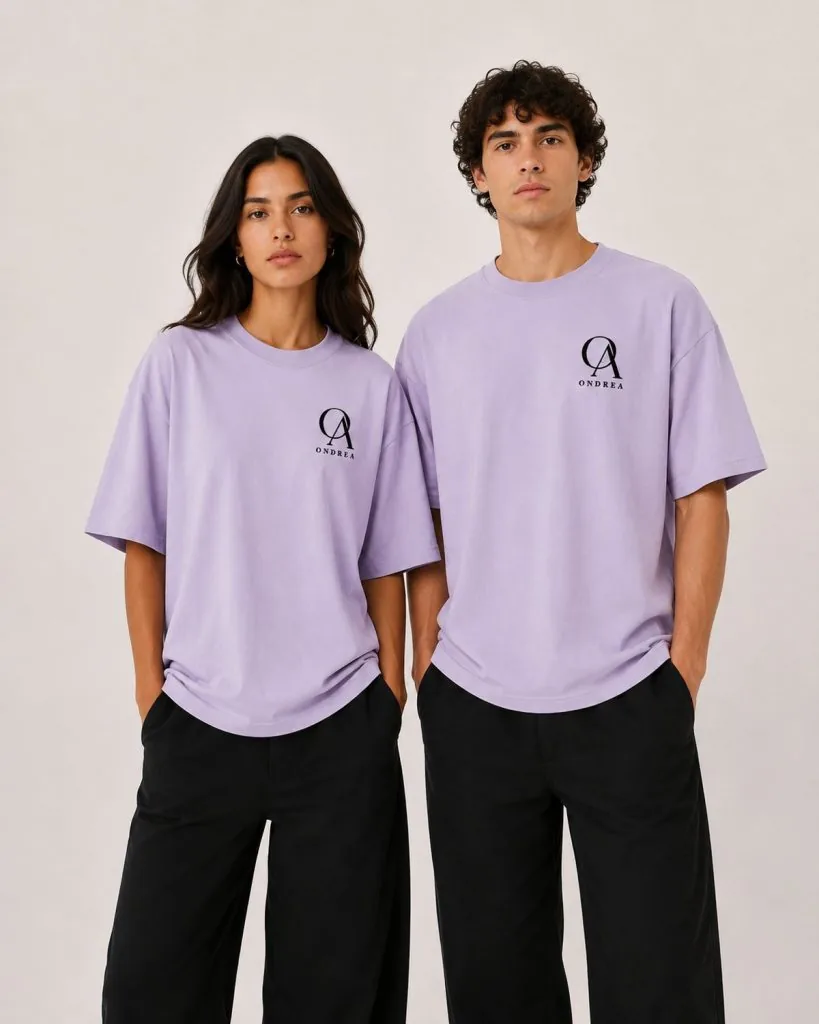
Volume on top means everything else has to be deliberate. Five combinations that work, and the one proportion rule underneath all of them.
Most t-shirts are washed out, not worn out. What heat, agitation and fabric softener actually do to cotton — and the six-line routine that avoids all three.
Dyeing a finished t-shirt rather than the cloth it is cut from is slower, costlier and less consistent. It is also why a good tee looks broken in on day one.
GSM is the most useful number on a t-shirt label, which is why most labels leave it off. What the ranges mean, why 240 GSM behaves differently, and how to check a claim.
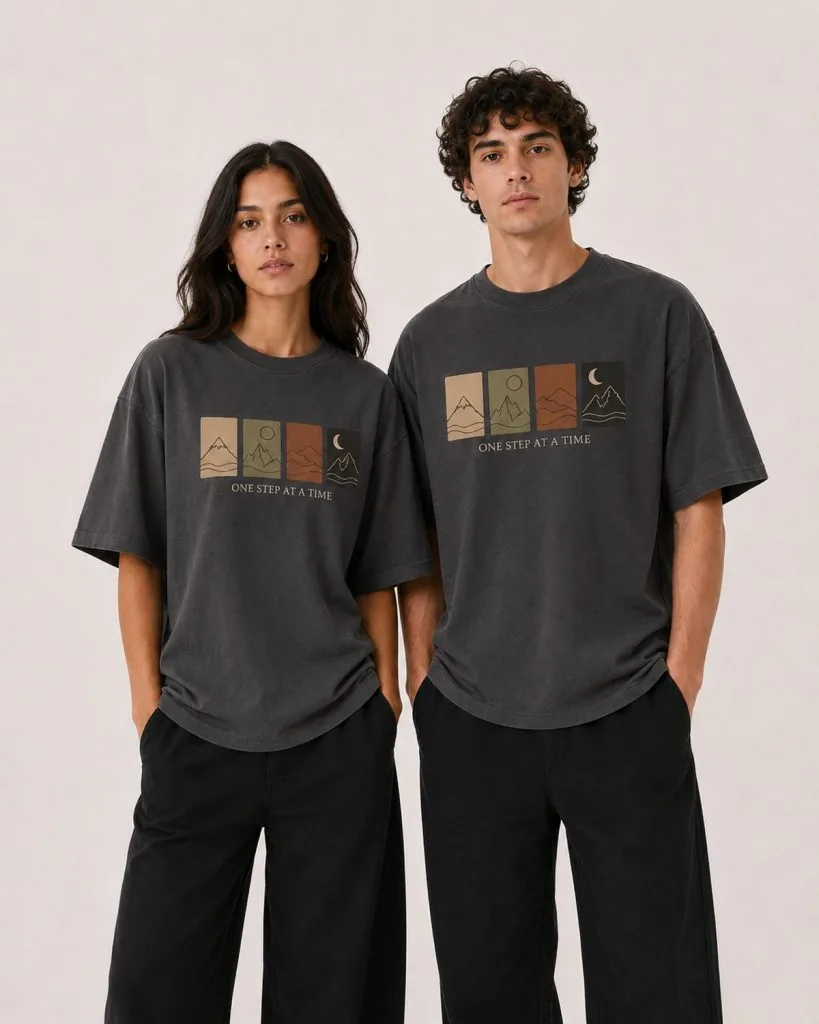
A bigger size is not an oversized cut. What the four key measurements mean, how to pick your size from a t-shirt you already own, and when to size down.