
3 min read
Building a Minimal Wardrobe Around Premium T-Shirts
A minimal wardrobe is not a small one. Why four good t-shirts beat twelve cheap ones, which four to own, and the habit change nobody mentions.
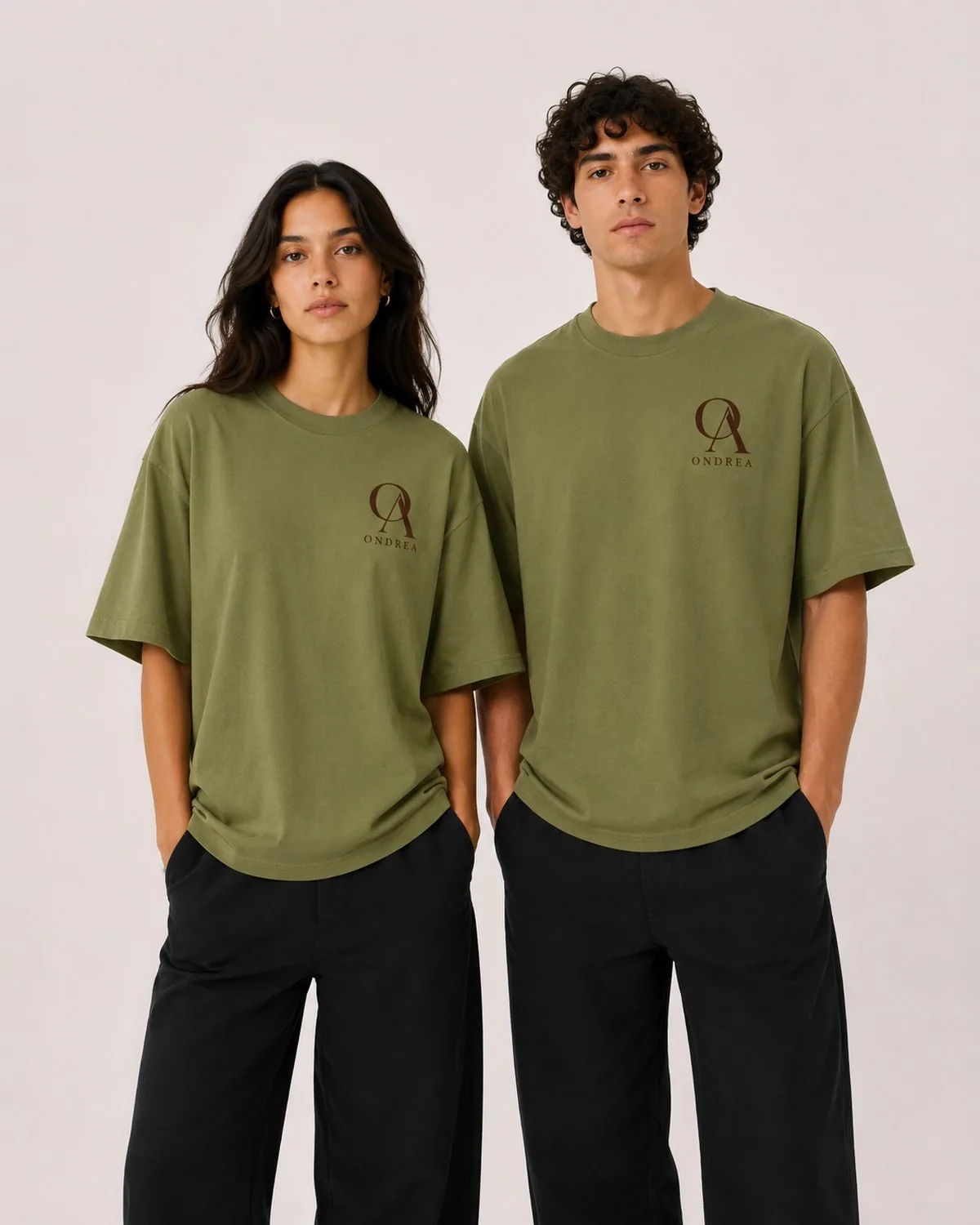
A minimal wardrobe is not a small one. It is one where nothing needs a decision. The difference is that a small wardrobe runs out and a minimal one does not — because the pieces in it were chosen to work with each other rather than bought one at a time.
T-shirts are where most people start, and where most people get it wrong.
The mistake: buying multiples of the wrong thing
The usual approach is to find a cheap t-shirt that fits and buy five. It feels efficient. Six months later all five have thinned, the collars have gone, and the whole set needs replacing at once.
Five thin tees at ₹400 cost more over three years than two heavy ones at ₹1,400, and you spend those years wearing something that looks tired. The maths is not close.
What a t-shirt has to do to earn a permanent place
- Hold its shape. If it looks different after twenty washes, it is not a wardrobe piece — it is a consumable.
- Work in more than one register. The same shirt should be right with denim on a Saturday and under a jacket on a Thursday.
- Not compete. Anything with a large graphic makes a statement, and a statement can only be made so many times before people have seen it.
- Sit in a colour you already wear. Which usually means fewer colours than you think.
A workable set
Four t-shirts covers most people, if they are the right four.
Two neutrals you will wear constantly — ecru or sand, and black or charcoal. One mid-tone with some warmth in it, which is the one that stops the other three looking like a uniform. And one you actually like looking at, in whatever colour that turns out to be, because a wardrobe with no pleasure in it does not survive contact with a real week.
That is it. Adding a fifth rarely changes anything; adding a twelfth guarantees eight of them go unworn.
Why weight is the quiet part of this
Minimal wardrobes fail when pieces wear out at different rates, because replacing one item at a time is how a considered set turns back into a drawer of odds and ends.
Heavier cotton ages instead of degrading. A 240 GSM tee softens over years — the hand-feel changes, the fabric relaxes — and it stays recognisably the same garment while it does. Four shirts that age together stay a set.
The part nobody mentions
You have to wash things more often. Four t-shirts in rotation means laundry every week rather than whenever you run out, and that is a genuine change in habit rather than a footnote.
It is also the reason cold water and shade drying matter more in a small wardrobe than a large one. The clothes are working harder.
Less is the point, not the constraint
The argument for buying fewer things is usually made on ethics or on money. Both are true and neither is what makes it stick.
What makes it stick is that getting dressed stops being a decision. Everything in the drawer works, so anything you pull out is fine — and that is worth considerably more than the fifth t-shirt.
If you are building a set, what to look for covers how to judge a shirt before buying it, and the care guide covers keeping it. The Ondrea story is more or less this argument, at greater length.